On Airbnb, a traveler who breaks an item or damages a part of the accommodation during their stay may be charged for repairs by the host. This damage billing mechanism relies on a precise process, governed by the platform, which goes through the Resolution Center and, in case of disagreement, involves Airbnb acting as a mediator.
The Airbnb Resolution Center: Central Mechanism for Claims
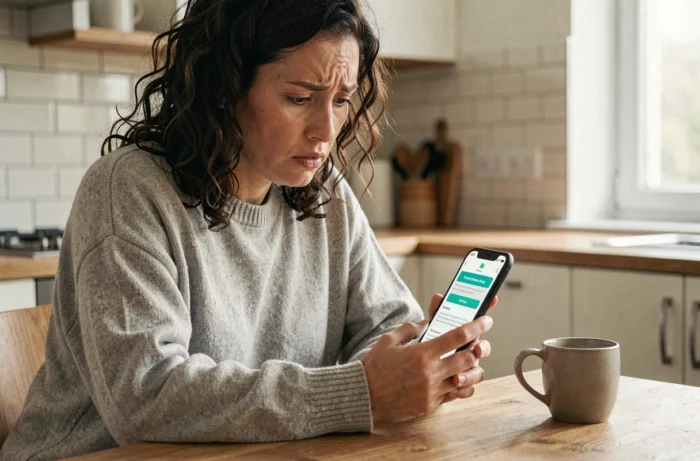
The Resolution Center is the tool through which a host submits a reimbursement request to a traveler after a stay. It is neither an automatic invoice nor an immediate charge: the host must submit a quantified request, accompanied by evidence (photos, invoices, repair quotes).
Once the request is sent, the traveler has 24 hours to respond. They have three options: accept the amount and pay, propose a different amount, or refuse the request. If no agreement is reached within this timeframe, the host can ask Airbnb to intervene to review the case.
Understanding this mechanism is essential for any traveler, as the billing for damages on Airbnb does not work like a traditional security deposit: no amount is blocked in advance on the traveler’s account.
Chargeable Damages to the Traveler: What Falls Within Scope
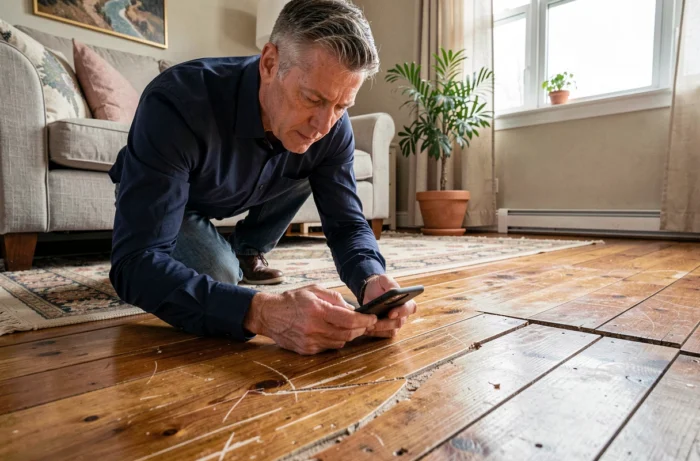
Not all damages result in a charge. The platform distinguishes damages attributable to the traveler (or their guests, including pets) from normal wear and tear of the accommodation. A shower tile cracked due to impact is considered chargeable damage. A bathroom seal darkened over time is not.
The categories of damages that can be claimed include:
- Damage to furniture, equipment, or the property caused during the stay
- Additional cleaning fees related to stains, pet damage, or smoke odors
- Missing or stolen items reported after the traveler’s departure
- Damage to vehicles parked on the host’s property
However, the traveler is not charged for damages resulting from normal wear and tear, nor for incidents that the host cannot document with concrete evidence.
Airbnb Intervention and Actual Amount Charged
When the traveler and host cannot reach an agreement through the Resolution Center, Airbnb intervenes as a third party. An agent reviews the evidence provided by both parties: before and after photos, purchase invoices for damaged items, repair quotes.
Airbnb only approves a portion of the amounts claimed by hosts. An analysis of over 20,000 reservations showed that the platform validated just over half of the amounts requested for material damages. For the traveler, the likelihood of being charged the full amount of a high claim remains limited in practice.
If Airbnb concludes that the traveler is responsible, the amount due is charged to the payment method registered in their account. The traveler receives a notification detailing the amount and reasons for the charge.
Host Damage Guarantee and AirCover
On the host side, the AirCover program includes a damage guarantee that can cover up to $3 million USD. This provision comes into play when the traveler refuses to pay or when the amount exceeds what the traveler can reasonably bear. For the traveler, AirCover means that part of the damages may be absorbed by the platform rather than charged directly.
AirCover does not replace the traveler’s responsibility. The traveler remains primarily responsible for the damages they cause. The guarantee acts as a supplement, not a substitute.

Disputing an Airbnb Damage Charge: Concrete Steps to Follow
A traveler who receives a request they deem unjustified has concrete levers. The first step is to review the evidence sent by the host in the Resolution Center. Blurry photos, quotes without dates, or amounts disproportionate to the damaged property are valid arguments for contestation.
If the disagreement persists after communication with the host, the traveler can request arbitration from Airbnb. Here are the elements that strengthen a dispute case:
- Photos taken upon arrival showing a pre-existing condition of the claimed damage
- Messages exchanged with the host during the stay indicating a problem that was already present
- The absence of evidence that the damage occurred during the traveler’s booking period
Photographing the accommodation upon arrival remains the best protection against an abusive claim. These timestamped photos serve as evidence in case of a dispute and allow Airbnb to make a quicker decision.
Absence of Traditional Security Deposit on Airbnb: Consequence for the Traveler
Unlike a traditional vacation rental where a security deposit check is handed to the owner, Airbnb does not charge any security deposit to the traveler. The platform also prohibits hosts from requesting a deposit outside of its system.
This system has a direct advantage: no amount is tied up in the traveler’s bank account during the stay. The trade-off is that billing occurs after departure, sometimes several days later, which can surprise a traveler who thought the stay was financially settled.
The host has a period after departure to report damage through the Resolution Center. After this period, or if a new traveler has already checked in, the claim becomes more difficult for the host to formulate, which limits the risk of late billing for the traveler.
Less than 1% of stays result in a damage claim. The vast majority of travelers will never face this process. For the rare cases where a dispute arises, photographic documentation and communication via Airbnb messaging remain the two most effective tools to protect one’s interests.